






Introduction
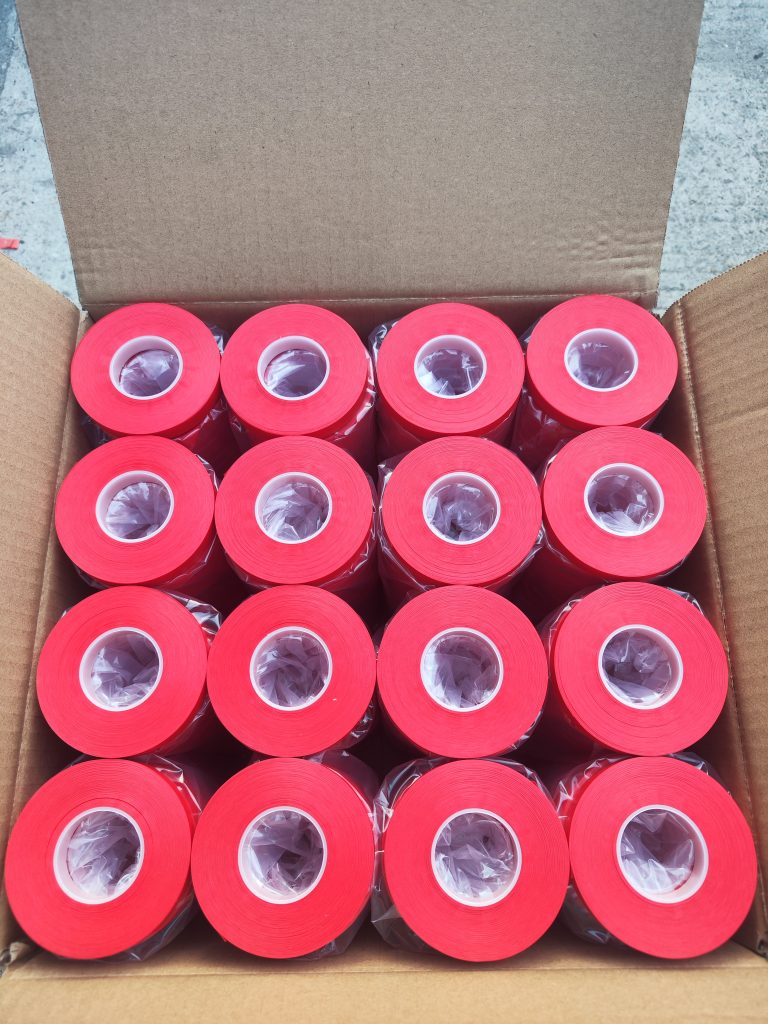
Modern agriculture requires efficiency, precision, and consistency. One simple but powerful tool that helps farmers achieve this is plant tying tape.
When used with a plant tying machine, this tape becomes a key component in improving productivity and reducing labor costs.
The Problem with Manual Tying
Traditionally, farmers used rope or manual tying methods to secure plants. This approach has several disadvantages:
- Time-consuming
- Inconsistent results
- Higher labor costs
- Risk of damaging plants
How Plant Tying Tape Solves These Problems
? Faster Work
With a tapetool machine and tying tape, farmers can complete a tie in seconds, increasing efficiency dramatically.
? Consistent Binding
Every tie is uniform, ensuring plants are supported properly.
? Plant Protection
Soft and flexible tape reduces damage to stems and allows natural growth.
? Lower Labor Cost
Using tying tape reduces manual work, saving both time and money.
Key Advantages of Using Quality Tape
- Lightweight and easy to handle
- Compatible with most tying machines
- Reliable performance in large-scale farming
- Suitable for both indoor and outdoor use
Choosing the Right Tape for Your Needs
When selecting plant tying tape, consider:
- Thickness and strength
- Compatibility with your machine
- Environmental conditions
- Crop type
For example, grapes and tomatoes may require slightly different tape flexibility and strength.
Future Trends in Agricultural Tying Materials
With the development of modern agriculture, more eco-friendly and biodegradable tapes are becoming popular.
Farmers are now focusing not only on efficiency but also on sustainability and environmental impact.
Conclusion
Plant tying tape is no longer just an accessory—it is an essential part of modern agricultural tools.
By choosing the right tape, farmers can:
- Increase productivity
- Improve crop quality
- Reduce labor costs
- Support sustainable farming practices
发表回复