



Plant tying is an essential task for vineyards, greenhouses, orchards, and vegetable farms. As plants grow, their stems and branches need to be secured to wires, stakes, trellises, or other support systems.
For professional growers, tying every plant by hand can be slow and labor-intensive. A professional plant tying machine offers a faster, easier, and more consistent solution for daily crop management.
What Is a Plant Tying Machine?
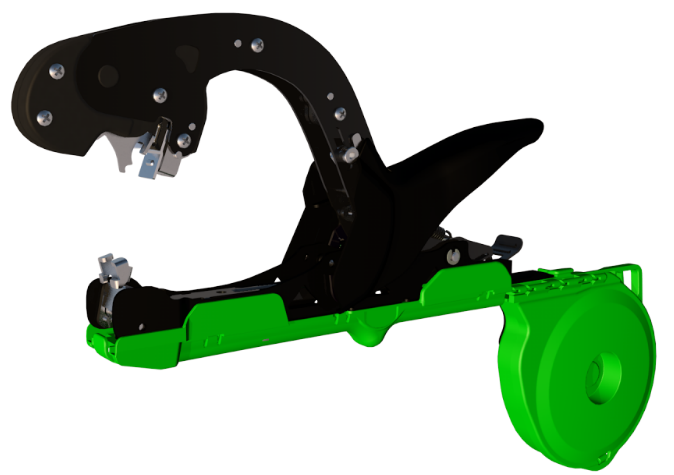
A plant tying machine is a handheld agricultural tool used to attach plant stems and branches to supporting structures.
It works with tying tape and staples. The operator places the plant stem and support wire inside the tying area, presses the handle, and completes the tie in one smooth action.
Compared with traditional tying methods using string or manual knots, a plant tying machine can significantly reduce working time and improve tying efficiency.
Main Functions of the Plant Tying Machine
Fast Plant Binding
The machine combines tape wrapping, stapling, and cutting into one operation. This allows workers to tie plants much faster than using string by hand.
It is especially useful during peak growing seasons when large numbers of plants must be secured within a short period.
One-Handed Operation
The plant tying machine is designed for convenient one-handed use.
Workers can hold or adjust the plant with one hand while operating the tool with the other. This makes the tying process faster and more flexible in vineyards, greenhouses, and narrow planting rows.
Secure and Consistent Tying
The tool creates a stable loop around the plant stem and support structure.
When used correctly, the loop holds the plant securely while leaving enough space for continued stem growth. This helps prevent excessive pressure and reduces the risk of damaging young plants.
Automatic Tape Cutting
After the tape is wrapped and stapled, the built-in blade cuts the tape automatically.
There is no need to carry separate scissors or manually cut every piece of tape, which improves both speed and convenience.
Easy Tape and Staple Replacement
The tying tape and staples can be replaced quickly.
Growers can carry spare tape rolls and staples during fieldwork, reducing interruptions and improving daily productivity.
Suitable Crops and Applications
The plant tying machine can be used for many crops and growing systems.
Common applications include:
- Grapevines
- Tomatoes
- Cucumbers
- Peppers
- Kiwifruit
- Raspberries
- Blackberries
- Flowers
- Young fruit trees
- Nursery plants
- Climbing vegetables
- Greenhouse crops
It can be used to attach plants to trellis wires, stakes, support ropes, fences, and plant frames.
Ideal for Vineyard Management
In vineyards, young grape shoots must be trained and secured to trellis wires as they grow.
Manual tying can require a large amount of labor, especially in commercial vineyards with long planting rows.
A plant tying machine helps vineyard workers complete tying tasks more quickly and maintain a neat, organized canopy.
Properly trained grapevines can improve:
- Sunlight exposure
- Air circulation
- Spray coverage
- Branch organization
- Fruit development
- Harvesting efficiency
The machine is therefore a practical tool for both small vineyards and large commercial grape-growing operations.
Improve Tomato and Cucumber Production
Tomatoes and cucumbers often require vertical support to prevent stems and fruit from touching the ground.
Using a plant tying machine, workers can quickly attach stems to stakes, strings, or greenhouse support structures.
This helps plants grow in a more organized direction and can make pruning, spraying, inspection, and harvesting easier.
The loose tying loop also allows the plant stem to continue growing without being tightly restricted.
Reduce Labor Costs
Labor is one of the largest expenses in commercial agriculture.
Traditional plant tying requires workers to cut string, wrap it around the plant, and tie a knot. Repeating this process hundreds or thousands of times can consume many working hours.
A plant tying machine simplifies these steps into a quick mechanical action.
For professional growers, this can help:
- Reduce tying time
- Lower labor requirements
- Improve worker productivity
- Complete seasonal work faster
- Maintain consistent crop management
The larger the planting area, the more significant the efficiency improvement can become.
Comfortable for Continuous Fieldwork
A well-designed plant tying machine should be lightweight, balanced, and comfortable to hold.
An ergonomic handle can reduce hand fatigue during continuous operation. This is important for workers who need to tie plants for several hours each day.
The compact design also makes the tool easy to carry between planting rows or greenhouse areas.
Durable Structure for Agricultural Use
Professional agricultural tools must be able to withstand frequent use in outdoor and greenhouse environments.
A quality plant tying machine may include:
- Durable metal working parts
- Strong staple-feeding mechanism
- Sharp replaceable cutting blade
- Comfortable non-slip handle
- Stable tape-guiding system
- Lightweight tool body
- Replaceable springs and wearing parts
Regular cleaning and maintenance can help ensure reliable performance and extend the service life of the tool.
How to Use a Plant Tying Machine
The basic operating process is simple:
- Install the tying tape correctly.
- Load the compatible staples.
- Gently press the handle to catch and pull the tape.
- Place the plant stem and support wire inside the tying area.
- Press the handle fully.
- The machine wraps, staples, and cuts the tape.
- Release the handle and continue to the next plant.
New users should test the tool several times before beginning large-scale work.
Tips for Better Tying Results
For safe and effective operation:
- Do not tie the plant stem too tightly.
- Leave enough space for future plant growth.
- Use the correct tape and staple specifications.
- Keep the tape channel clean.
- Remove plant residue after use.
- Replace damaged or dull blades.
- Avoid forcing the handle when the tool is jammed.
- Store the machine in a clean and dry place.
- Check the staple and tape supply before fieldwork.
Correct use can improve tying consistency and reduce equipment problems.
Why Professional Growers Choose Plant Tying Machines
A plant tying machine provides several practical advantages:
- Faster than traditional hand tying
- Easy one-handed operation
- Automatic wrapping, stapling, and cutting
- Reduces repetitive manual work
- Improves tying consistency
- Suitable for many crops
- Portable and easy to carry
- Helps maintain organized plant growth
- Reduces worker fatigue
- Supports large-scale agricultural production
It is a simple but valuable tool for modern crop management.
Choose the Right Plant Tying Machine Supplier
When purchasing plant tying machines, professional growers and distributors should consider more than just the tool price.
A reliable supplier should provide:
- Stable product quality
- Compatible tying tape
- Compatible staples
- Replacement blades
- Spare parts
- Operating instructions
- Wholesale pricing
- OEM packaging
- Fast delivery
- After-sales support
Having a complete supply of tools and consumables helps prevent delays during the growing season.
Complete Plant Tying Solutions for Professional Agriculture
We supply plant tying machines, tying tape, staples, replacement blades, and related accessories for vineyards, greenhouses, orchards, nurseries, and vegetable farms.
Our plant tying solutions are suitable for:
- Professional growers
- Agricultural distributors
- Garden tool wholesalers
- Farm supply companies
- Importers
- Retailers
- Greenhouse operators
- Vineyard owners
Wholesale orders, customized packaging, and OEM services are available.
Contact us today for product specifications, quotation details, minimum order quantities, packaging options, and delivery information.
Make plant training faster, easier, and more efficient with a professional plant tying machine.
Leave a Reply