




? Industry Overview
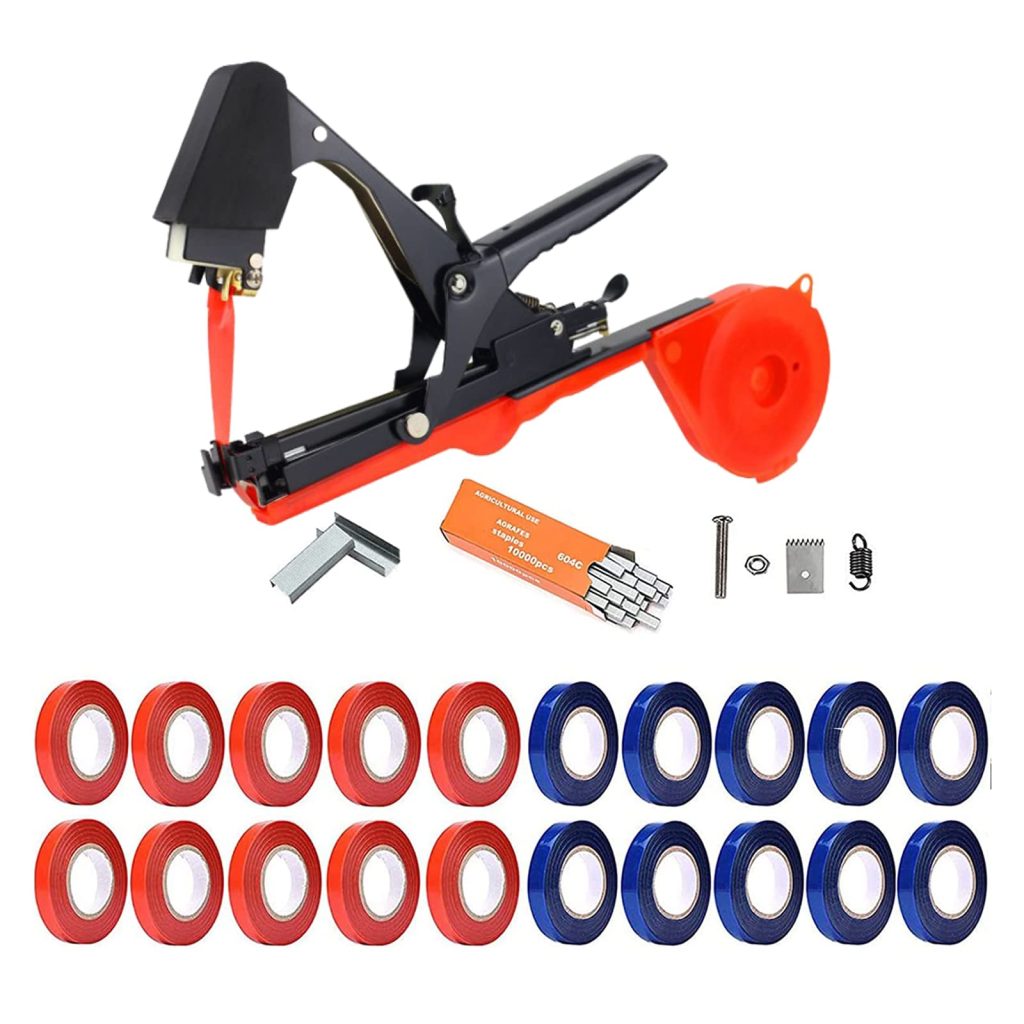
In 2026, the global agricultural equipment industry continues to evolve toward efficiency, precision, and labor-saving solutions. Among the emerging tools gaining attention, plant tying machines are becoming increasingly important in modern farming systems, especially in vineyards, greenhouses, and fruit plantations.
As farmers face ongoing labor shortages and rising operational costs, compact and practical tools such as tying machines are helping bridge the gap between manual labor and large-scale mechanization. Industry analysts highlight that agricultural mechanization remains a key driver for productivity growth worldwide.
? Market Trends in 2026
Despite short-term fluctuations in large machinery demand, the broader agricultural equipment sector continues to innovate, with increasing adoption of precision farming technologies and compact tools.
In this context, plant tying tools are benefiting from several global trends:
- Growing demand for labor-saving solutions
- Expansion of high-value crops such as grapes, tomatoes, and fruit trees
- Increased focus on efficiency in small and medium farms
- Rising adoption of specialized tools instead of heavy machinery
Experts also note that many farmers are prioritizing cost-effective tools and incremental improvements rather than large capital investments in 2026.
⚙️ Role of Plant Tying Machines
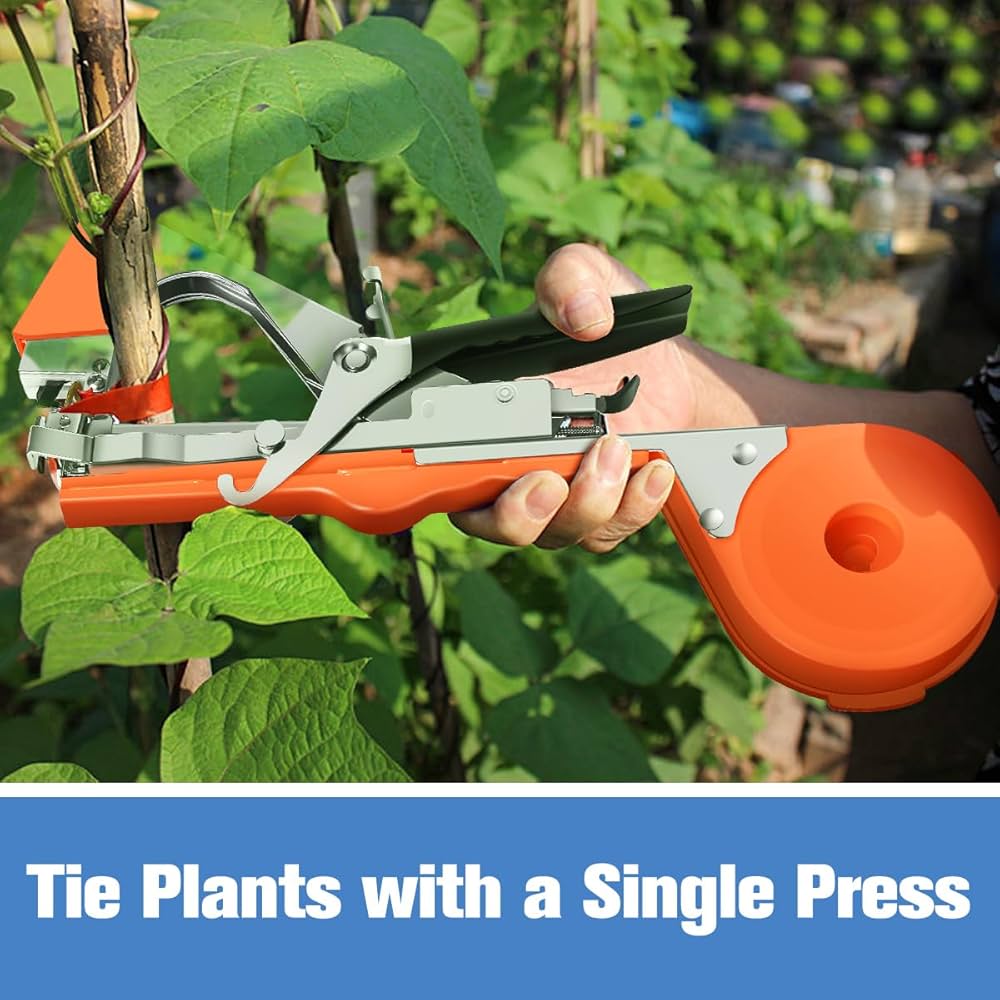
Plant tying machines, often referred to as tapener tools or vine tying machines, are designed to quickly secure plant stems to support structures such as wires or poles.
Their advantages include:
- Significantly reducing manual labor time
- Improving consistency in plant support
- Enhancing crop stability and yield
- Reducing damage to stems during handling
In crops like grapes, tomatoes, and passion fruit, proper plant support is essential for growth quality and harvesting efficiency. These tools are now widely used across Asia, Europe, and Latin America.
? Technology & Innovation
While agricultural machinery is advancing toward automation and robotics, hand-held tools like tying machines remain essential due to their flexibility and affordability.
Modern innovations include:
- Lightweight and ergonomic designs
- Improved tying tape and staple systems
- Enhanced durability for long-term field use
- Integration with broader precision agriculture workflows
Agricultural machinery overall is evolving alongside automation and digital technologies, helping farmers achieve higher efficiency with fewer resources.
? Global Outlook
Looking ahead, demand for practical agricultural tools is expected to remain strong. As global food demand increases and farming systems modernize, tools that combine efficiency, affordability, and ease of use will play a critical role.
Plant tying machines are expected to:
- Gain wider adoption in developing markets
- Support intensive farming and greenhouse agriculture
- Complement automation rather than replace it
- Become a standard tool in crop management practices
? Conclusion
In 2026, plant tying machines are no longer just simple tools—they are becoming an essential part of modern agricultural efficiency.
As the industry continues to evolve, these tools represent a practical and scalable solution for farmers worldwide, helping improve productivity while maintaining cost control.
Leave a Reply